
Paying for a CCRC: What Are Your Options?

For many older adults, moving to a Continuing Care Retirement Community (CCRC), also known as a Life Plan Community, is an exciting step toward a more carefree and fulfilling lifestyle. With amenities, social opportunities and a built-in plan for future care, these communities offer incredible value. And because so much is included, seniors pay for a CCRC differently than, say, a rental community where they can expect little more than a residence for their monthly fees, with most services costing extra.
The good news? Residents have a variety of smart financial strategies to make the move to a CCRC possible and comfortable. From leveraging home equity to relying on retirement income and long-term care insurance, there are proven ways to secure your lifelong home at a CCRC.
Let’s explore how it all works, starting with how most residents fund the initial investment and how future health care needs are supported down the line.
How Do Seniors Pay for Entrance Fees and Monthly Payments?
1. Selling a Home
One of the most common ways seniors pay for a CCRC is by selling their home. For many, their house is their largest financial asset. Downsizing from a family home to a more manageable living space in a CCRC frees up equity while removing the burdens of maintenance, property taxes and homeowner’s insurance.
2. Bridge Loans
For those who haven’t sold their home yet or are waiting for the right market conditions, short-term bridge loans can offer a solution. These loans provide temporary funding that can be used to pay the entrance fee while waiting for the home to sell. Lenders often work directly with CCRCs to streamline this process.
3. Retirement Savings
Monthly payments at a CCRC typically cover rent, meals, utilities, amenities and some health care services. Many residents use income from 401(k) accounts, IRAs or pensions to cover these recurring costs. Financial advisors often help structure withdrawals to align with monthly needs.
4. Social Security
Social Security benefits are another key income stream for seniors. While Social Security alone may not cover the full monthly fee, it can significantly offset the cost, especially when combined with other retirement income sources.
What About Higher Levels of Care? Long-Term Care Insurance to the Rescue
One of the key benefits of a CCRC is the continuum of care it provides from independent living to assisted living to skilled nursing or memory care. But what happens when a resident requires help with activities of daily living (ADLs), like bathing, dressing or medication management? This is where long-term care insurance often plays an important role.
Coverage for Higher-Level Care
All CCRCs offer a health care benefit, often referred to as a Life Care contract. This contract ensures that independent living residents have access to assisted living, memory care or skilled nursing support at little to no increase in cost – shielding them from the ever-rising costs of care on the open market. The financial details and benefits vary by community, with the best contracts having the potential of saving you thousands of dollars over time.
Peace of Mind for the Future
When evaluating how to pay for a CCRC, it’s important to factor in the long-term savings and peace of mind that come from knowing your future care is covered. The very format of a CCRC (independent living plus a long-term care included) reduces the emotional and financial strain that often comes with aging-related care needs.
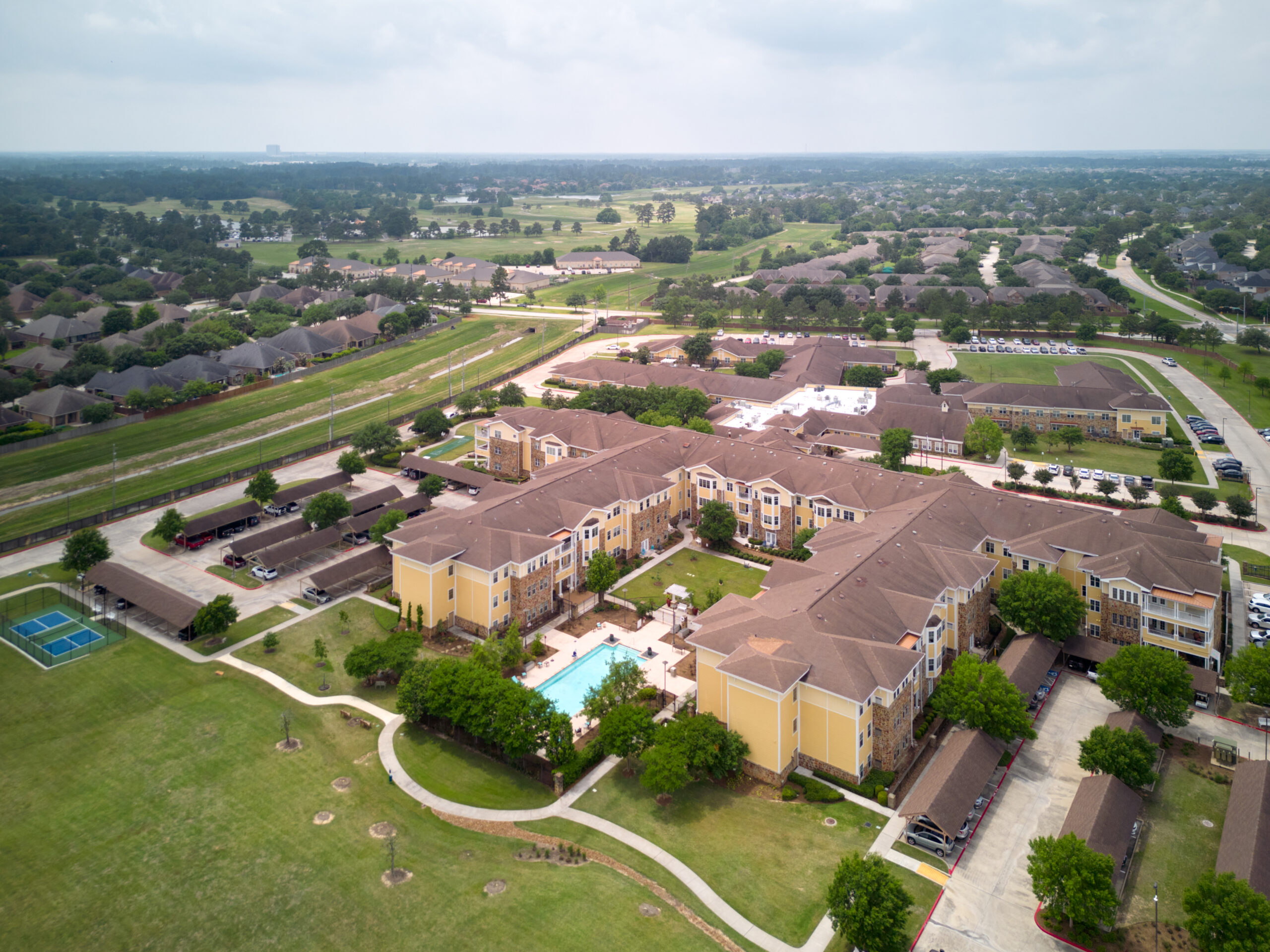
Retire to The Village at Gleannloch Farms
If you’re thinking about moving to a CCRC, read more about planning financially for the retirement you want. The Village at Gleannloch Farms is a life care community that offers luxurious amenities and resort-like services, locked in at one price. Contact us today to schedule a visit of our award-winning community in Spring, Texas.